


Japanese Work Culture – What You Should Know Before You Go
Understanding the core values of Japanese workplace culture will prepare you more than you think for the Winter Work season ahead. Holding values like teamwork, respect, and harmony at the forefront of your work day will help you adapt quickly and confidently once you arrive.
In this article:
Japanese work culture can feel quite different from what many Australians are used to, but these differences are deeply rooted in tradition, respect, and a strong sense of teamwork. Japan’s well-known work ethic has played a major role in shaping one of the world’s most successful economies. Many workplace values are closely tied to broader cultural principles where respect, harmony, and collective success are highly valued.
Understanding some of the basic principles ahead of time will make your Winter Work Japan season much smoother.
Team Focus
One of the biggest differences you may notice during your Winter Work Japan placement is the emphasis on collectivism rather than individualism.
In many Western workplaces, there is often encouragement to stand out, take ownership individually, and compete with others. In Japan, however, success is generally viewed as something achieved by the team as a whole and measure by how well the group performs together.
This means you will likely experience:
- A strong focus on team harmony
- Collaboration towards shared goals
- A shared sense of responsibility
- An expectation that everyone contributes equally to group success
Respect for Hierarchy
Another key feature of Japanese workplaces is the importance of hierarchy. Managers, supervisors, older colleagues, and senpai (senior coworkers) are treated with a high level of respect in Japan. This respect is reflected not only in behaviour but also in communication style.
You may notice that communication is often:
- More formal
- More indirect
- Carefully considered before speaking
Understanding and respecting workplace hierarchy is an important part of settling smoothly into a Japanese team.
The Importance of Harmony
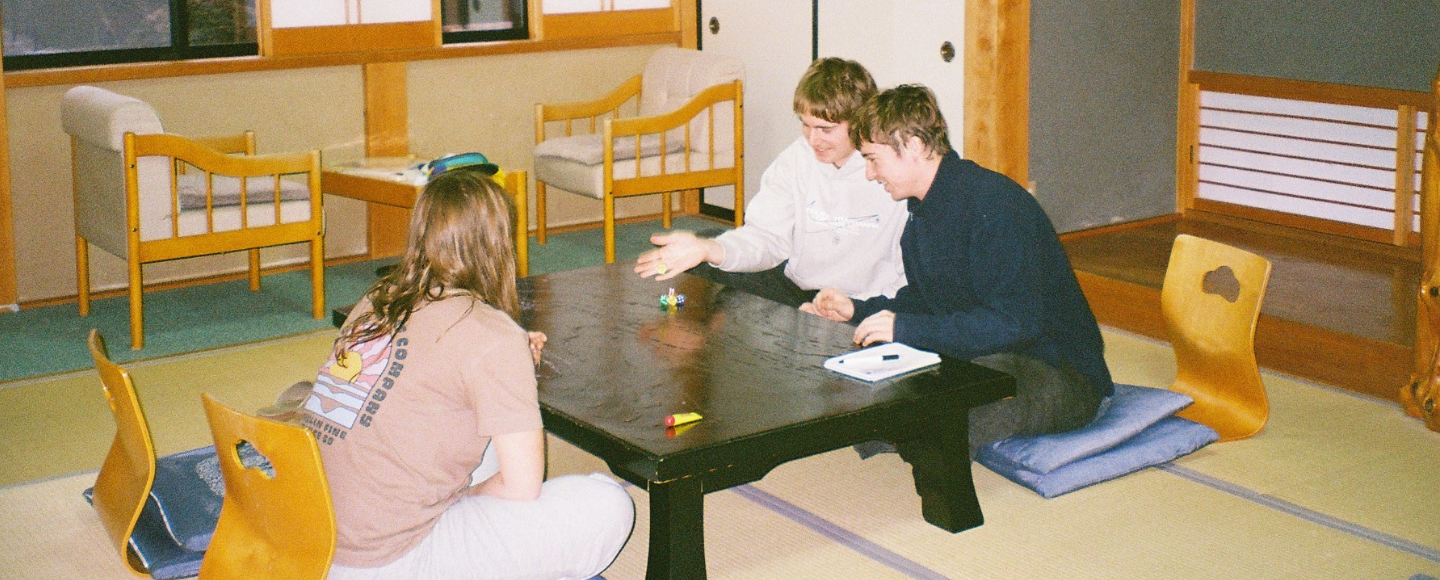
Maintaining harmony is a central value in Japanese workplaces. This concept focuses on preserving positive relationships and avoiding unnecessary conflict.
Because of this, communication can sometimes appear subtle or indirect, especially when discussing feedback, challenges, or differing opinions. The goal is not to avoid honesty, but to ensure that communication is delivered in a respectful and non-disruptive way.
You Don’t Need to Know Everything Yet
The good news? You are not expected to know everything immediately. Employers understand that international staff are learning, and they will help guide you as you adjust. What matters most is the attitude you bring into the workplace.
What Winter Work Japan Employers Value Most
If you take anything away from this, let it be this. The qualities that will set you up for success with Winter Work Japan are:
- Respect for your workplace and colleagues
- Willingness to learn and adapt
- A positive attitude
- Openness to new ways of doing things
Need help with something?
Frequently Asked Questions
-
01Will my age limit the type of jobs I can do?
Many resorts have strict age requirements. If you’re aged 18-19, your placement opportunities can increase if you speak some Japanese and can show current or prior work experience (working casually on weekends or school holidays).
-
02Can I choose my location?
We place in many of the most popular winter resort areas of Japan. You are welcome to nominate an area where you would like to work, however we are unfortunately unable to guarantee that location.
-
03Will I have to pay tax in Japan?
Yes. As a working holiday visa holder, you will pay a flat rate of 20%. You will also have a deduction out of your monthly pay for the Japanese pension, as well as a contribution to the national health insurance.
-
04What will be my working hours?
Most jobs will require you to work evening and weekends. Hospitality workers are normally rostered on 5-6 times a week at 8 hours per shift. Work hours can vary and can start as early as 5:30am. Evening shifts may run until 23:00. Food and beverage roles may mean split shifts – breakfast and lunch or lunch and dinner.
A ski instructor will generally work between 8am to 5pm, including weekends and public holidays. In total you should expect 6-8 days off per month with no days off during peak season (Christmas/New Year).
Flexibility is required when it comes to working hours and shifts. Some smaller resorts may relocate you to other areas of the resort to work during quieter days or weeks. Overtime is common in Japan.
-
05Is accommodation included?
Yes. Accommodation is arranged by your employer for the duration of your contract. While housing is secured on your behalf, you are responsible for the cost of your accommodation.
Rent is deducted directly from your salary and typically ranges from ¥5,000 to ¥60,000 per month, depending on the employer and accommodation provided.
Most participants stay in shared accommodation and should expect to share a bedroom with one to three other people. Accommodation may include either a Western-style bed or a traditional Japanese futon. Wi-Fi is generally available; however, at the beginning of the season it may take 1–2 weeks to be connected.
-
06Is it easy to make friends?
The jobs that are offered as part of Winter Work Japan are primarily filled by travellers just like you! They are travelling alone and will be wanting to find friends as well. You will find that you will naturally find friends among those with whom you work and live. You will also have the chance to meet and connect with others at our arrival orientations in Tokyo.
Want to see more?
Related Articles
Winter Work Japan
Why You Should Do a Working Holiday in JapanA working holiday in Japan is more than just travel. It is your chance to work, explore and fully immerse yourself in a culture that blends tradition, adventure and everyday magic.